Maximize Your ROI
with the Power of PPC Advertising
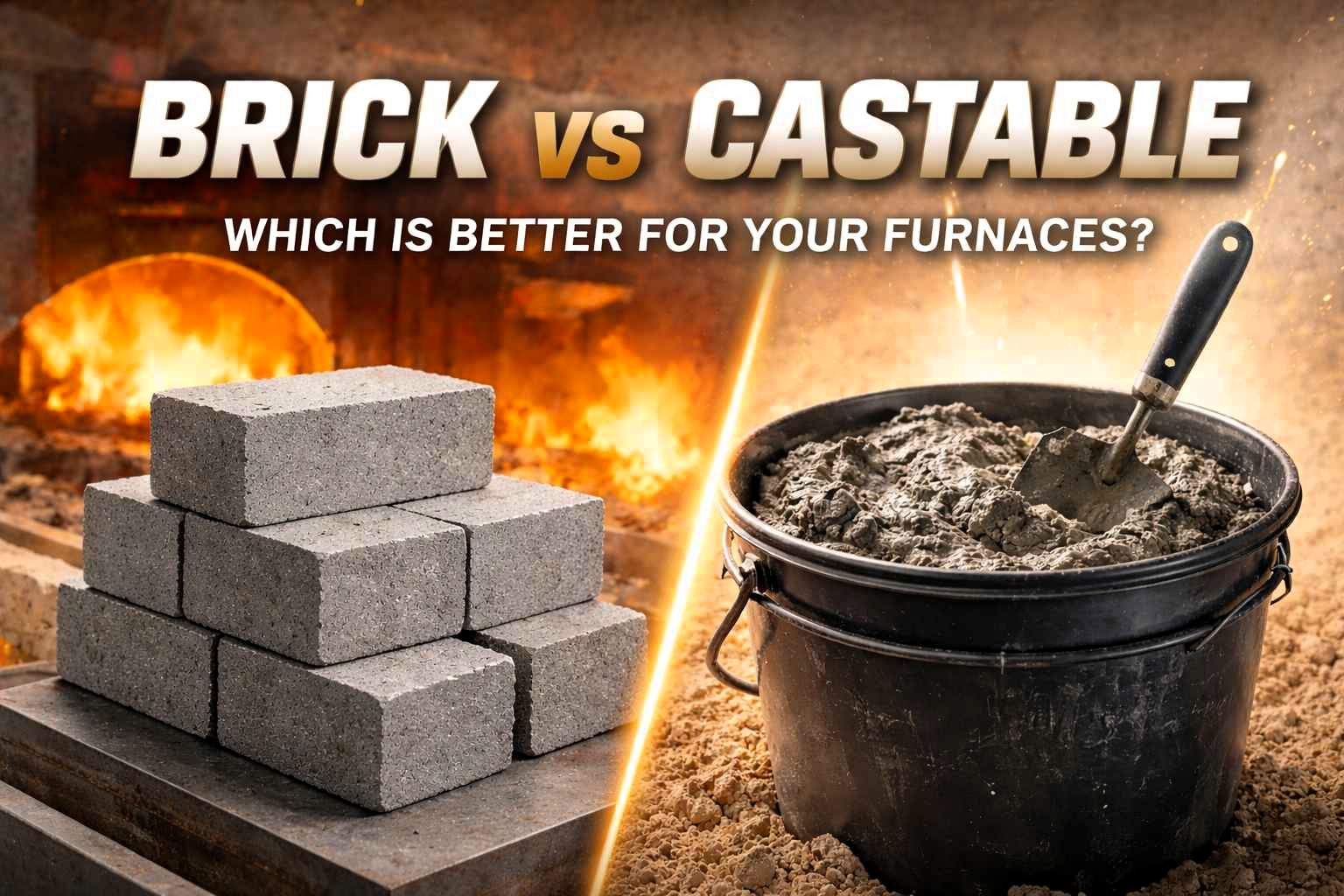
Choosing the right refractory material for your furnace is important. Two of the most common refractory options used in furnaces are refractory bricks and refractory castables. Both are designed to handle high temperatures, but they work differently and are suited for different applications.
What Are Refractory Bricks?
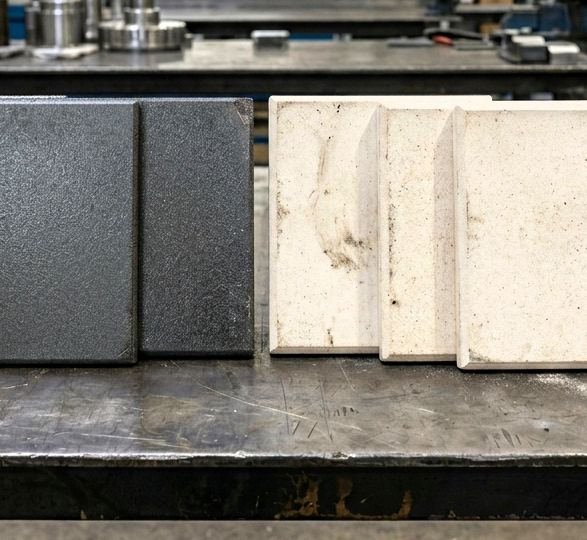
Refractory bricks are pre-shaped blocks manufactured to withstand high temperatures. They are installed piece by piece inside furnaces, kilns, boilers, and other high-temperature equipment. Refractory bricks are known for their strength and durability.
These bricks are commonly used in:
- Steel furnaces
- Cement kilns
- Incinerators
- Boilers
- Foundries
What Are Refractory Castables?
Refractory castables are unshaped refractory materials supplied in dry form. Water is added on-site, and the material is cast or poured into place like concrete.
Castables are widely used because they can fit complex furnace shapes and allow faster repairs in certain applications.
They are commonly used in:
- Burner areas
- Furnace roofs
- Cyclones
- Ducts
- Boiler linings
Refractory Bricks Are Usually Better When:
- Structural strength is critical
- Temperatures are extremely high
- Long-term durability is the main focus
- Operating conditions are stable
Refractory Castables Are Usually Better When:
- Furnace shapes are complex
- Faster installation is needed
- Fewer joints are preferred
- Repairs must be done efficiently
- Thermal shock resistance is important