What Is Silicon Carbide (SiC)?
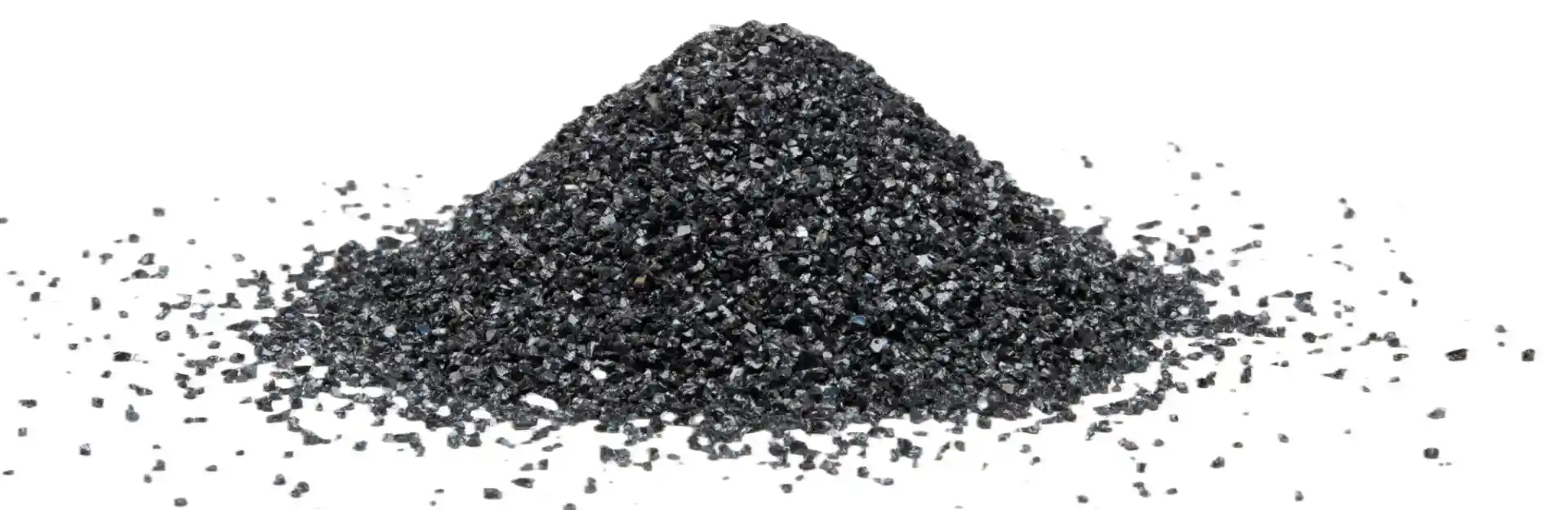
Silicon carbide is a hard and heat-resistant material made from silicon and carbon. It is widely used in refractory products because it can withstand extremely high temperatures and harsh industrial environments.
SiC is commonly added into:
- Castables
- Bricks
- Gunning materials
- Ramming mixes
- Burner blocks
- Kiln furniture
Why SiC Is Becoming Popular in Refractories
Traditional refractory materials can crack, wear, or lose strength when exposed to constant heat, thermal shock, abrasion, or chemical attack. SiC improves these weak areas.
SiC performs well at very high temperatures without losing strength. This helps refractory linings stay stable inside furnaces and kilns.When refractory materials cannot handle heat properly, they start cracking, spalling, or collapsing. SiC helps reduce these problems.
Many industrial systems heat up and cool down repeatedly. This sudden temperature change damages ordinary refractory linings over time.SiC handles rapid temperature changes better than many conventional materials. This makes it useful in operations where equipment starts and stops regularly.
In industries where ash, clinker, slag, or raw materials move continuously, refractory surfaces wear down quickly.
SiC is extremely hard, which helps refractory products resist abrasion and erosion for longer periods.
This is important in:
- Cement plants
- Boilers
- Cyclones
- Ash handling systems
- Incinerators
Industries are demanding refractory materials that can survive tougher conditions while improving efficiency. This is one reason SiC continues gaining attention.
"SiC materials are usually more expensive than standard refractory products. However, many companies recover the cost through longer service life and lower maintenance."