Industrial plants constantly deal with wear, heat, abrasion, and material buildup inside equipment. Choosing the right lining material plays a major role in protecting equipment and reducing downtime.
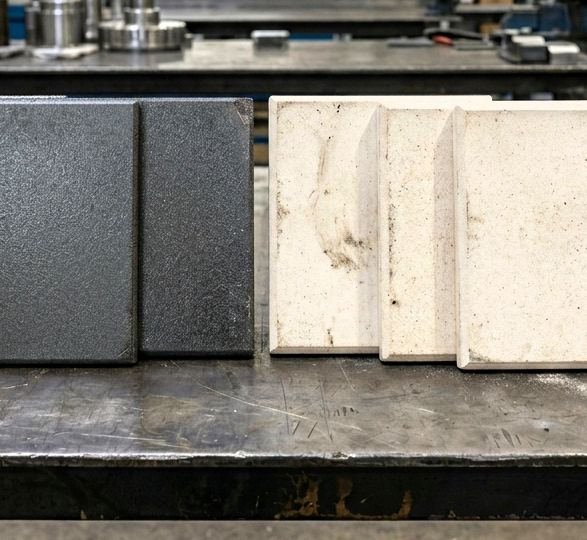
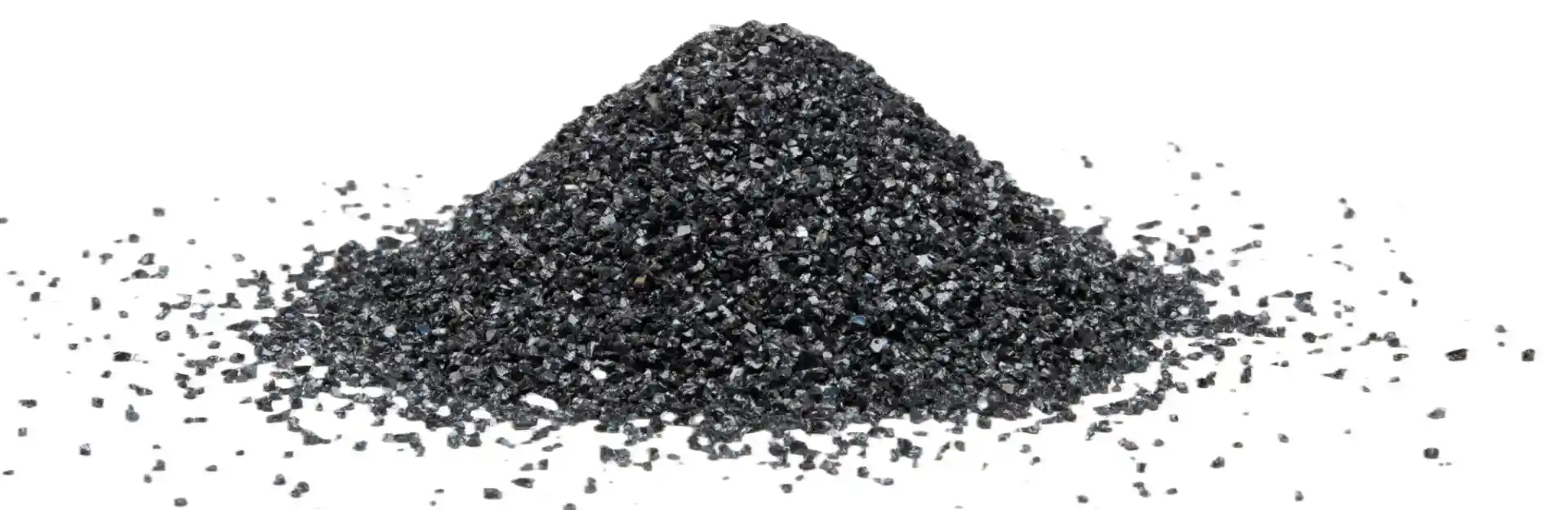
Two commonly used wear-resistant materials are silicon carbide and alumina tiles. Both are used in demanding industrial environments, but they perform differently depending on the application.
The right choice depends on operating temperature, abrasion levels, thermal shock, and overall plant conditions.
Alumina tiles are ceramic wear-resistant tiles made mainly from aluminum oxide. They are widely used to protect equipment from abrasion and material wear.
These tiles are commonly installed in:
- Chutes
- Cyclones
- Pipes
- Hoppers
- Conveying systems